
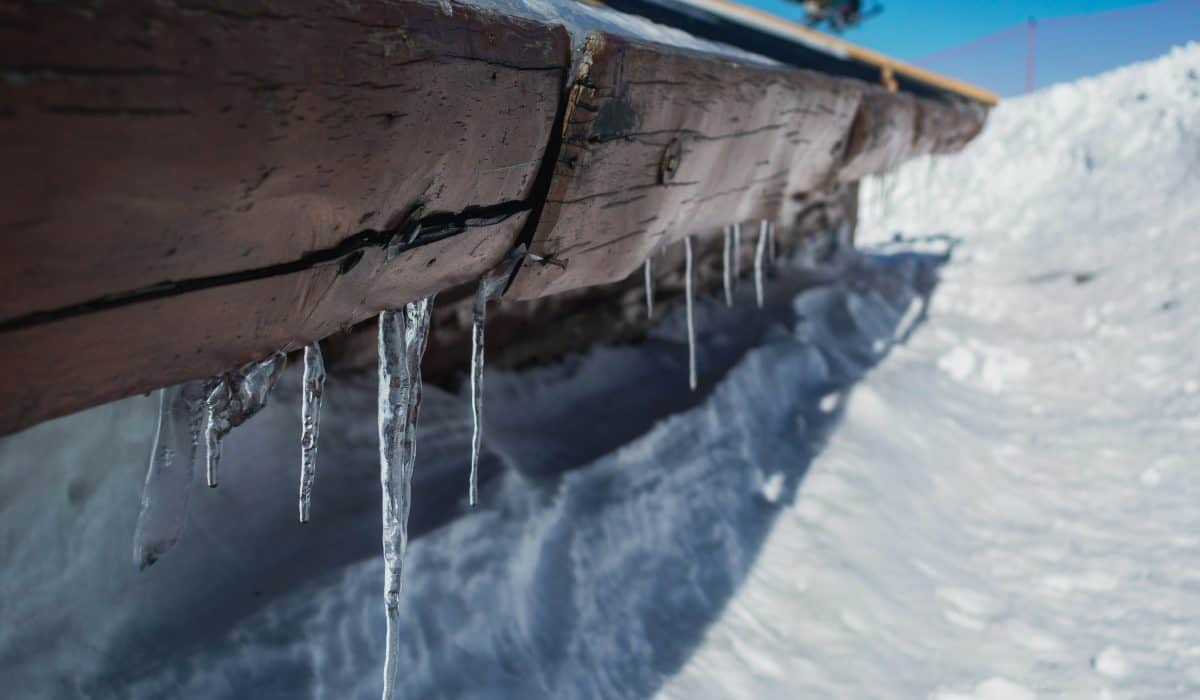
How To Remove Ice Dams From Your Roof Safely
Ice dams can cause trouble quickly, so it helps to understand the basics before taking any action. A professional roofing crew or a homeowner with some experience will tell you that the right tools, good timing, and a bit of patience make the job far safer. Most people start with simple methods from the ground up, and they rely on steady attic temperatures and proper insulation to limit recurring issues throughout the winter. This approach not only keeps the roof protected but also reduces the chances of water backing up into the home.
Understanding Ice Dams
Ice dams form when indoor heat escapes through the roof, melts the layer of snow above it, and the runoff freezes near the edge, where the surface is colder. The frozen band traps water, and that water can slip under shingles and make its way inside the house. Inconsistent attic temperatures and weak ventilation make the problem worse. Once you understand how these conditions develop, it becomes easier to prevent them from forming in the first place.
Necessary Tools and Equipment
Removing ice dams safely calls for the right gear. A roof rake with a long handle allows snow to be pulled down from the roof. A simple hand tool can help break small sections of ice without damaging shingles, provided it’s used gently. Many homeowners also rely on safety gear when working from a ladder, especially if the roof has a steep pitch or icy patches. Using tools designed for this kind of work keeps the roof intact and reduces the chances of slips or falls.
Safe Removal Techniques
One common method is placing a fabric tube filled with calcium chloride across the ice. It melts a path for water to drain without harming the shingles. A roof rake can also bring down the loose snow that feeds the dam, and doing this from the ground is usually the safest option. Heat cables can help when installed correctly, as they create controlled melt channels. Sharp tools and any kind of flame should be avoided because they can cause roof damage and create serious hazards.
Preventative Measures
Good prevention often starts inside the attic. Consistent temperatures help stop warm spots from forming, and insulation plays a major role in creating that balance. Ventilation matters too, since moving air helps reduce heat buildup beneath the roof deck. Sealing small gaps around vents, light fixtures, and attic access points limits the escape of indoor warmth. With these steps in place, ice dams are far less likely to develop during winter storms.
Hiring Professional Help
Some homeowners prefer to call in experts, especially if the roof is tall, icy, or difficult to reach. A trained crew has the tools, knowledge, and experience to remove ice dams without adding stress to the structure. They can also point out underlying issues that might be contributing to the problem, such as insulation gaps or blocked vents. Choosing a team with solid references and proper insurance adds a level of reassurance during the process. Clear communication helps make sure the work meets expectations.
Dealing With Roof Damage
If an ice dam has already caused trouble, a careful inspection is the best place to start. Look for missing shingles, damp spots on ceilings, or areas that seem uneven. Clearing loose debris from the roof helps prevent further moisture buildup. Addressing leaks right away keeps water from spreading into other parts of the home. Restoring insulation after any repairs helps stop the problem from returning once the next round of cold weather arrives.
Related Topics:

11 Comments
Comments are closed.