
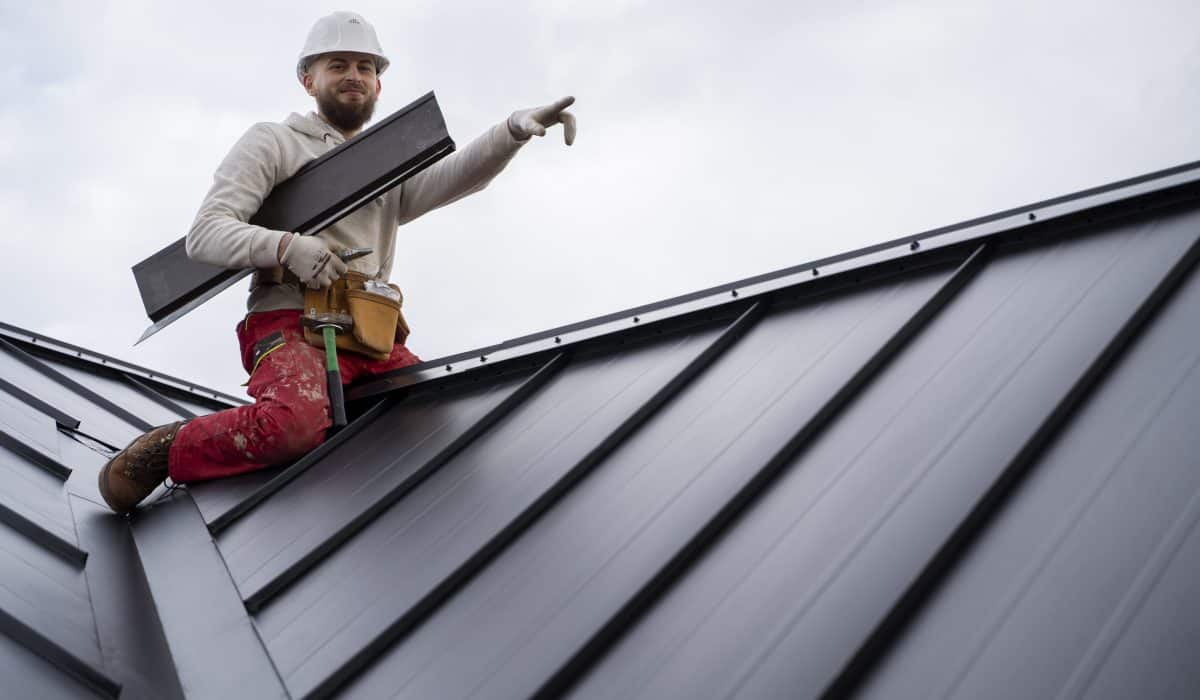
What Flashing Means in Roofing and Why It Matters
Flashing is one of those roofing details people don’t think about until a leak shows up. A certified roofing company will usually point out where these metal pieces sit, where water tends to sneak in, and guide it away before it reaches the wood underneath. Roofers choose different metals based on cost, weather, and the look the homeowner wants. You’ll see flashing around valleys, chimneys, and along the joints where the roof connects with walls. When pieces start rusting, pulling loose, or leaving stains below, it’s usually a sign that water has already gotten in. Keeping the metal clean and tight helps the roof stay solid for years.
Importance of Flashing in Roofing
Flashing protects the parts of the roof that are most prone to water damage. Chimneys, skylights, vents, and the lines where slopes meet all need some extra help because water naturally collects there. When the metal is fitted well, it pushes the runoff where it’s supposed to go and keeps it from sliding into small openings. If it’s missing or worn out, moisture works into the wood, causing soft spots, mold, and stains inside the house. Once you understand how much it does, it becomes clear why roofers pay close attention to it during repairs or replacements.
Types of Flashing Materials
Different jobs call for different metals. Galvanized steel is sturdy and inexpensive, so it’s widely used. Aluminum is lighter and better handles salty air, which matters in coastal areas. Copper lasts for decades and changes color with time, something many homeowners like. PVC versions show up on certain projects where flexibility matters. The choice often comes down to price, climate, and what the homeowner wants the roof to look like once everything weathers.
Common Flashing Locations on Roof
Metal is installed wherever the roof meets another surface or where it creates a natural trap for water. Valleys catch runoff from both sides, so they always need a protective layer. Chimneys have openings where bricks meet shingles, and flashing fills those gaps. Where the roof meets a wall, metal stops water from slipping behind the siding. Vents, pipes, and skylights also need tight metalwork around their bases to prevent leaks.
Signs of Flashing Issues
A few small clues can point to larger problems. Metal that’s starting to rust may already be letting moisture through. Pieces that look crooked or have pulled away open a clear path for water. A cracked caulk can let drips slip underneath. Stains on ceilings or walls often show up near these problem spots. Warped metal sometimes means water has been sitting underneath for a while. Spotting these things early makes repairs simpler.
Impact of Improper Flashing
If flashing isn’t installed right, water seeps into the layers below the shingles and slowly weakens the roof. Wet wood softens, insulation clumps up, and mold can spread without anyone noticing for a long time. The damage can work its way to the inside of the house, staining the drywall and causing new issues with each storm. Fixing these problems costs more than keeping the flashing in good shape from the start, which is why roofers stress getting it right.
Maintaining and Repairing Flashing
Checking flashing now and then helps catch problems before they turn into bigger repairs. If the metal is cracked, loose, or worn, it needs to be tightened or replaced before moisture settles in. Using the right materials to match the existing roof makes the repair more reliable. Sealant around the edges should be kept in good condition, so water can’t slip underneath. With steady care, flashing does its job quietly and helps the rest of the roof handle rough weather without trouble.
Related Topics:

20 Comments
Comments are closed.