
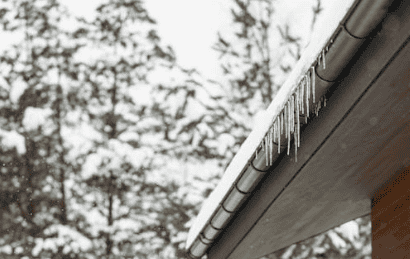
Practical Methods to Stop Gutters From Freezing in Winter
Winter can be tough on any drainage system, and frozen gutters often create bigger problems than most homeowners expect. So before temperatures drop, it helps to understand the options and how they work together. A set of steps, some simple, some requiring a bit more effort, can make a noticeable difference. A pair of trusted roofing contractors might offer similar advice: add controlled heat where needed, keep the gutters clear, and guide water away from the home so it doesn’t settle or freeze. Each method plays a part in keeping gutters open and your roofline protected during long stretches of cold weather.
Gutter Heater Installation
Gutter heaters are a common upgrade in areas that see steady snowfall. These heating elements run along the inside of the gutter and help keep melting snow from turning into solid ice. When installed correctly, they reduce the pressure on the gutter system and prevent blockages. Most systems clip into place or use adhesive strips, and they need to sit firmly so the heat spreads evenly. It’s best to follow the setup instructions closely or have someone familiar with the product handle the installation. A heater that’s fitted well can keep the gutter line open even after a heavy storm.
Insulate Gutters Properly
Insulation supports the heater’s work, but it also helps on its own by reducing the temperature swings that often lead to freezing. Foam sleeves made for gutters fit around the metal and slow down the transfer of cold. Corners and joints need close attention since they’re usually the first spots to freeze. Once the insulation is in place, it should be checked from time to time to make sure it hasn’t shifted or worn down. When insulation stays snug, the gutter system handles winter weather more steadily.
Regular Debris Clearance
Debris left in the gutter gives freezing water something to cling to, so keeping the channels clear is one of the simplest ways to prevent ice buildup. Leaves, seed pods, and small branches tend to pile up, especially after fall storms. Clearing it by hand or with a small scoop keeps water moving and reduces the chance of a hard freeze locking everything in place. Rinsing the gutter with a hose afterward helps confirm that water can move freely through the system. Doing this a couple of times a year usually prevents bigger winter issues.
Implement Roof Heating Cables
Heating cables installed along the roof edge help melt snow before it reaches the gutter. When the runoff stays warm enough to move, ice dams are less likely to form. These cables zigzag along the lower section of the roof and continue into the gutter to keep water flowing. Placement matters, and a cable that isn’t installed carefully can leave cold spots that freeze anyway. Many homeowners prefer to have a professional install these systems so the lines sit where they’ll do the most good.
Redirect Downspouts Away
Even when gutters stay open, problems start if water collects near the foundation and freezes there instead. Extending downspouts so the water empties several feet away from the house helps avoid this. The ground needs a slight slope so the runoff has somewhere to go. Downspouts should also be checked regularly to make sure they’re not clogged or bent, since that can push water back toward the gutter and cause refreezing.
Utilize Heat Tape for Gutters
Heat tape works like a simplified version of gutter heaters and is often used in spots that freeze repeatedly. When attached to the gutter and downspout, it supplies steady warmth that helps prevent ice from forming in those narrow sections. A timer or thermostat can help manage energy use and keep the tape from running more than needed. When used consistently, it keeps the water path open and reduces the strain on the rest of the gutter system through long, cold stretches.
Related Topics:

5 Comments
Comments are closed.